A good souvenir puts money in the hands of the person who made it and reminds you of a place without harming it. A bad one can feed the wildlife trade, end up confiscated at the airport or turn out to be factory-made in another country entirely.
Souvenirs you should never buy
The Convention on International Trade in Endangered Species of Wild Fauna and Flora (CITES) is an international agreement that regulates trade in thousands of animal and plant species. Species are listed in appendices: for the most threatened, commercial trade is essentially banned; for others, it requires permits. The rules also cover parts and products made from them, which is where travellers get caught out.
The products most often found in tourist markets include:
- Ivory, carved or raw, from elephants but also from other animals. The UK and the EU have tightened their ivory rules in recent years, including for many antiques.
- Sea turtle shell, sold as combs, jewellery, sunglasses frames or decorative "tortoiseshell" boxes. All sea turtle species are protected under CITES.
- Coral, especially hard corals and black coral, whether raw or made into jewellery.
- Certain shells, such as queen conch, giant clam and nautilus shells, which are CITES-listed. Buying them on a beach stall does not make them legal to export.
- Wild orchids and cacti. All orchids are covered by CITES, and so are cacti, which includes some rainsticks made from cactus skeletons.
- Certain woods, including some rosewoods and agarwood, sometimes sold as carvings, furniture, beads or incense.
- Traditional medicines containing animal parts: tiger bone, rhino horn, pangolin scales, bear bile, dried seahorses, saiga horn. Packaging often hides the ingredients, and the label may be in a language you cannot read.
- Skins, furs and feathers: big cat pelts, snake and crocodile leather without paperwork, shahtoosh shawls made from Tibetan antelope wool.
When in doubt, do not buy. A seller's word that something is "old" or "allowed" guarantees nothing, and an item sold legally on the spot can still be illegal to bring home.
Customs risks: what can happen at the border
Bringing back a protected species without the right permits can lead to seizure and, depending on the country and the species, fines or prosecution, and ignorance is rarely accepted as an excuse. You may need both an export permit from the country of purchase and an import permit from your own.
Wildlife is not the only issue. Many countries forbid the export of antiquities and cultural heritage, from pre-Columbian ceramics in Latin America to old religious objects in Southeast Asia; Thailand, for example, requires official permission to export Buddha images. Sardinia fines visitors who take sand, pebbles or shells from its beaches. Plants, seeds, meat and dairy products are also tightly controlled by many countries, including EU members, the UK, Australia and New Zealand.
Before you travel, check the customs website of your home country, which usually lists restricted goods. For anything unusual, ask the seller for written proof of origin and walk away if they cannot provide it. As our guide to reducing your environmental impact puts it, what you find in nature is best left where it is.
Buying local crafts fairly
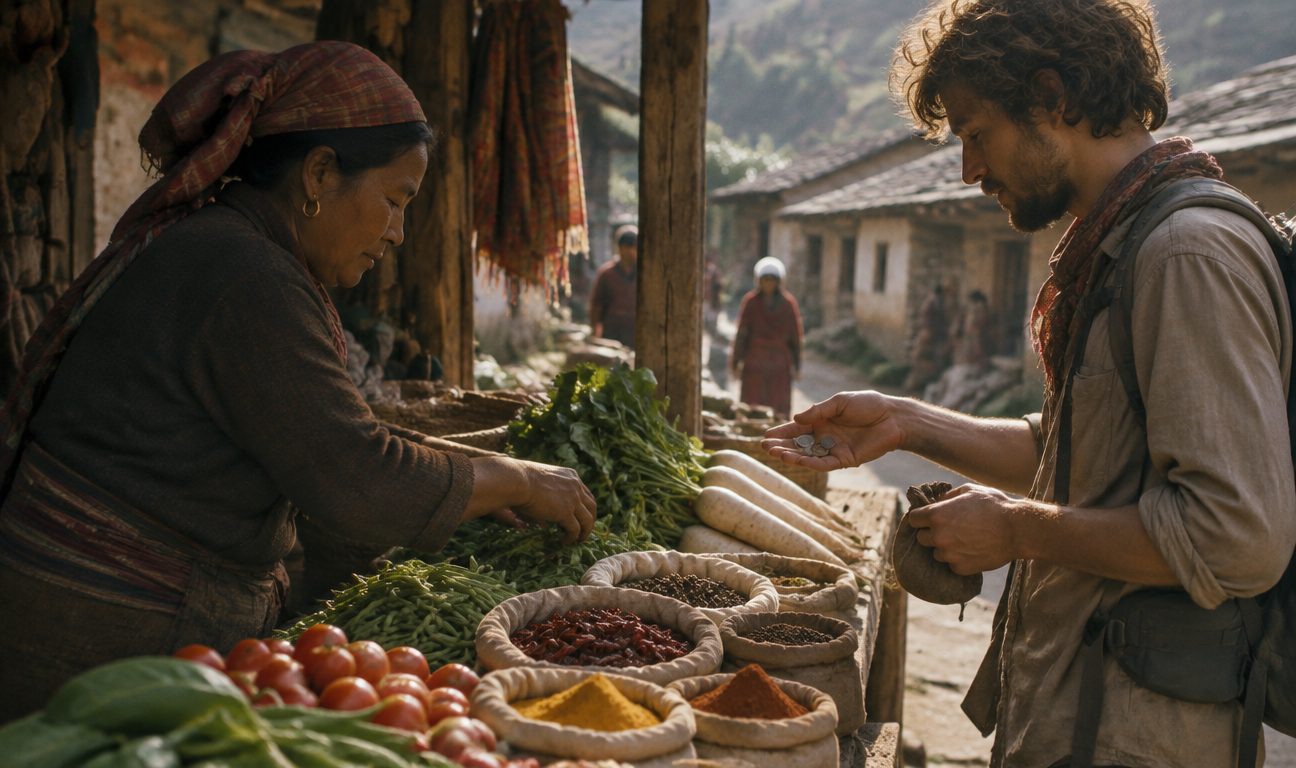
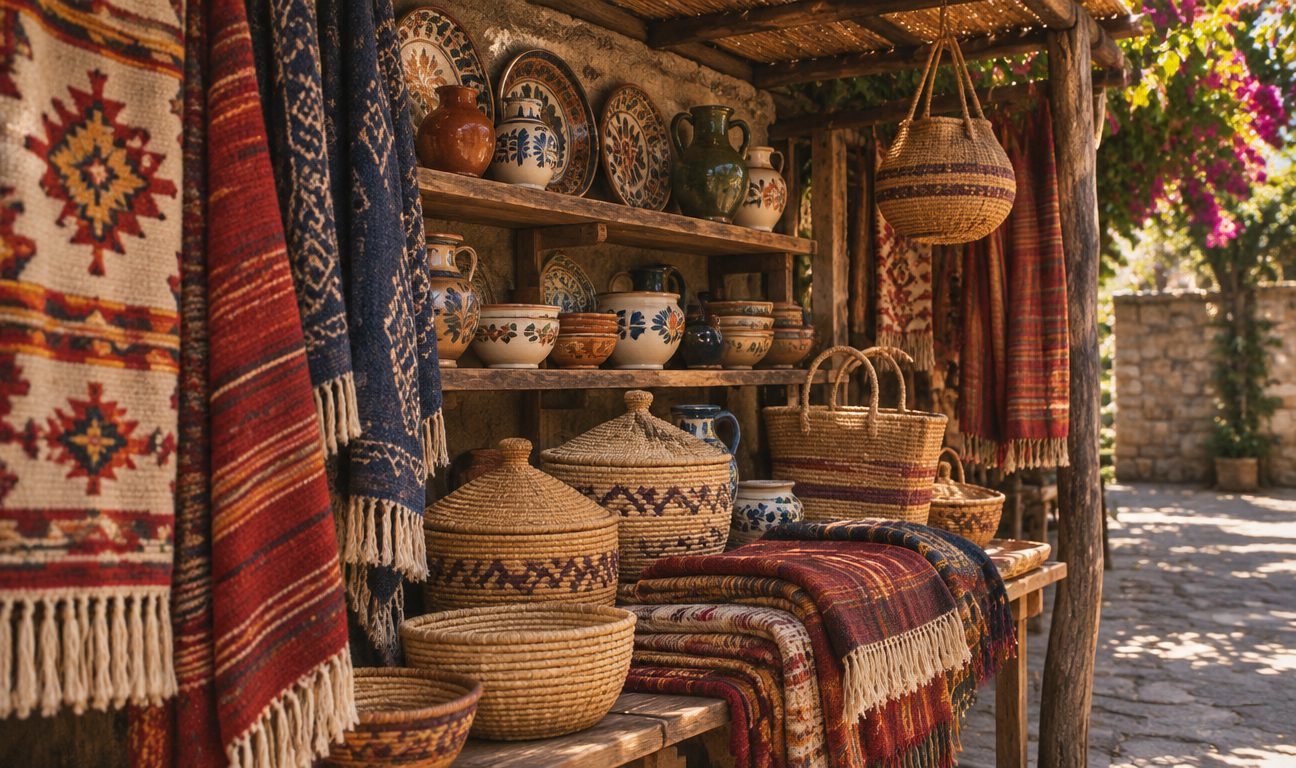
The best purchases are the ones where you can trace the money. Buying directly from the maker, in a workshop, a village market or a craft cooperative, means more of the price stays with the person who made the object. Cooperatives of weavers, potters or woodcarvers will often explain the technique and the meaning of the patterns too.
A few habits help:
- Ask who made the piece and where. Real artisans are usually proud to explain.
- Look for organisations that guarantee fair conditions, such as members of the World Fair Trade Organization (WFTO).
- Be wary of shops a guide or driver takes you to without being asked: commissions are often built into the price you pay.
- Respect sacred and ceremonial objects. Some items are not meant to leave their community, and our page on respecting local cultures explains why.
How to bargain fairly
Bargaining is expected in many markets, from Moroccan souks to night markets in Southeast Asia. It is out of place in fixed-price shops, fair trade stores and in countries like Japan where haggling is not part of the culture.
Find out the rough price range first, by asking at two or three stalls or at your guesthouse. Make a reasonable offer, smile, and remember that pushing for the last coin saves you very little but can eat into the seller's margin. If the price is fair and you like the piece, pay it. Our page on supporting local communities explains why that small difference matters.
Spotting fake "handmade" products
Mass-produced items are often sold as local crafts, sometimes made in factories thousands of kilometres away. In Australia, the courts have penalised sellers of souvenirs falsely presented as Aboriginal art. Signs to look for:
- the same item, identical in every detail, at every stall in town;
- perfect uniformity in colour, stitching or carving, where handwork leaves small variations;
- a price that cannot possibly cover the hours of work involved;
- a "made in" sticker removed or covered up;
- a seller who cannot say anything about the technique, the material or the maker.
None of these proves a fake on its own, but two or three together should make you look elsewhere.
FAQ
Can I bring back shells I found on the beach myself?
Not always. Some species are CITES-listed regardless of how you got them, and some places ban collecting altogether. Leaving shells on the beach is the safest choice, and it keeps them in the ecosystem.
Are antiques made of ivory or tortoiseshell legal to buy?
It depends on the age of the item, the country of sale and your destination, and rules have tightened in many places. Without a valid certificate and the right permits, assume you cannot bring it home.
Is it rude to refuse to bargain?
No. Paying the asking price when it already seems fair is perfectly acceptable. What matters is being polite and not making an offer you have no intention of honouring.
Let our planners point you to the right places
When we plan a trip, we can suggest workshops, cooperatives and markets where your money goes to the people who make the crafts, and flag the items to avoid in each country. If you would like an itinerary that includes these kinds of encounters, tell us about your trip and our travel planners will design it with you.