An ethical holiday is not a special category of trip. It is an ordinary trip planned with a few extra questions: who owns the place you sleep in, who carries the bags up the mountain, where the money for that elephant "experience" really goes. Ask them before you book and most of the work is done. Here is the checklist we use when we plan trips.
Choose operators and stays that keep money local
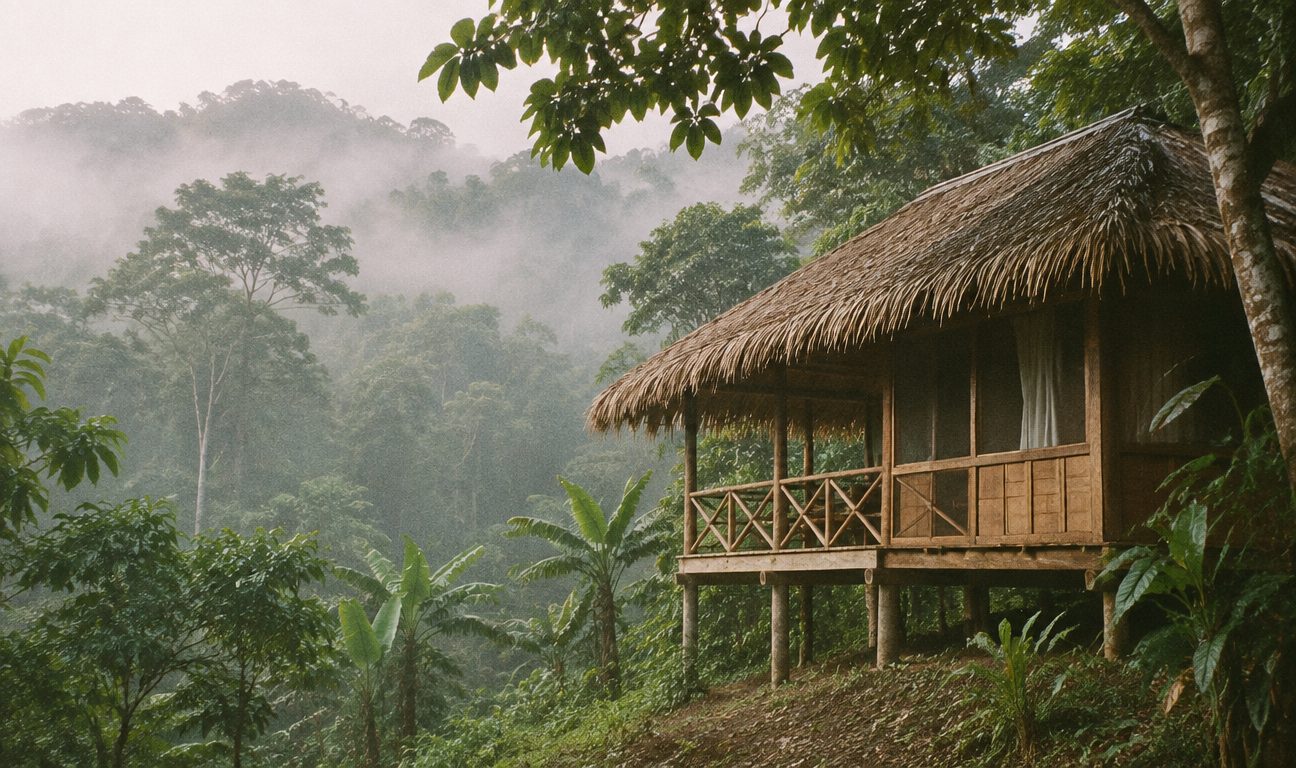
Ownership is the simplest lever. In a family-run guesthouse, a riad where the owners live upstairs or a village homestay, the people you pay are the people you meet, and they spend that money locally. A large resort may employ local staff, but more of your payment tends to leave the country through management fees, imported food and head-office margins.
Be wary of the word ecolodge: anyone can use it. Certifications recognised by the Global Sustainable Tourism Council are a useful signal, but many excellent small places never pay for one, so asking direct questions works better.
Questions to ask before you book
- Who owns the business, and do they live locally?
- Are staff hired nearby, and employed all year or only in high season?
- Where does the food come from?
- How is water heated, and what happens to waste?
- Do they work with local guides, drivers and suppliers?
Specific answers are a good sign. "We are committed to sustainability" usually means nobody has thought about it.
Animal welfare red flags
A useful rule: if you can ride, hold, bathe, feed or take a selfie with a wild animal, the animal is paying for it. Wild animals that accept close contact with tourists have often been taken young or trained by force. Walk away from:
- elephant rides, elephant bathing and painting shows
- lion cub petting, "walking with lions" and tiger photo sessions
- dolphin shows and swim-with-dolphins pools
- street performances with macaques, snakes or bears
- civet coffee (kopi luwak) farms with caged civets
The word sanctuary is not protected. A genuine one keeps visitors at a distance, does not breed animals for display and is open about where each animal came from. In the wild, pick operators who respect viewing distances and never chase animals for a photo. Our environment guide goes further.
Fair wages for guides and porters
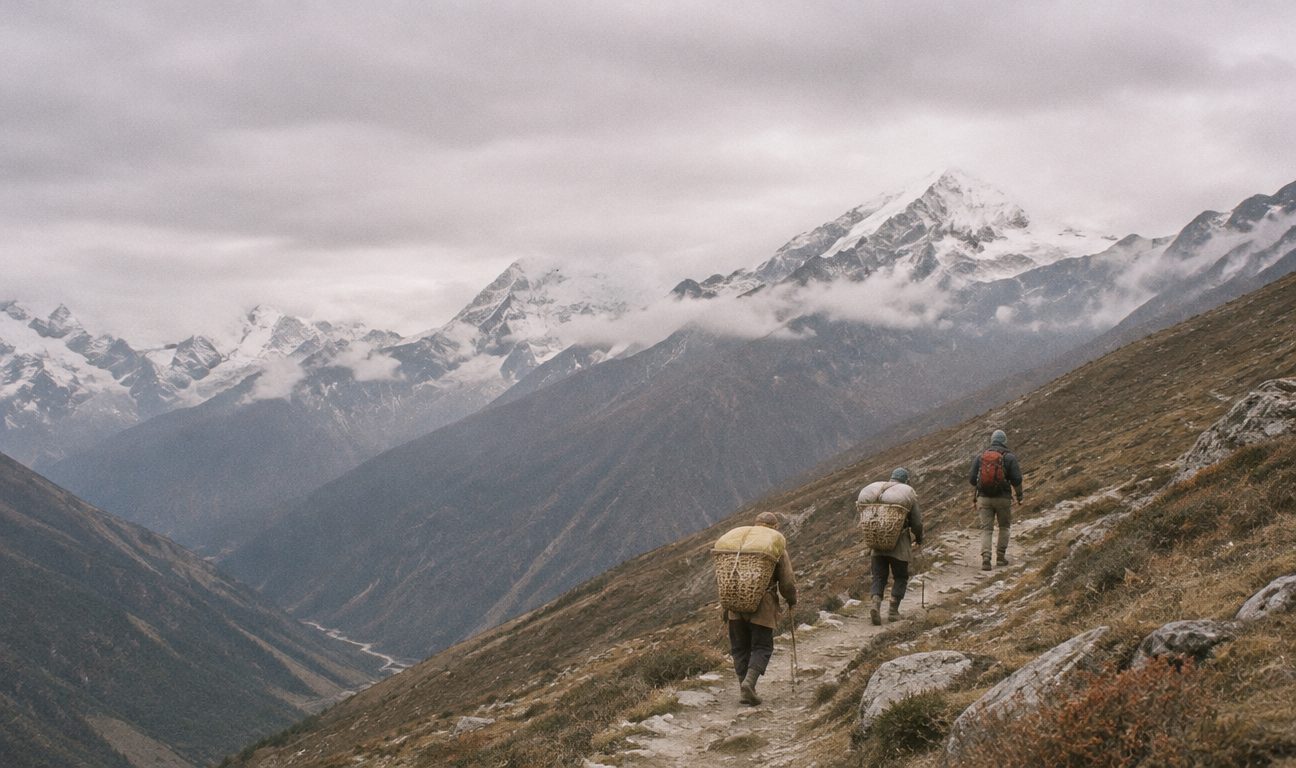
On treks such as Kilimanjaro, the Inca Trail or the Annapurna circuit, your trip depends on people carrying tents, food and fuel at altitude. A cheap quote is often cheap because porters are paid least, carry most and sleep in the worst gear. Both Kilimanjaro and the Inca Trail have official weight limits for porters, so ask whether loads are actually weighed. On Kilimanjaro, the Kilimanjaro Porters Assistance Project (KPAP) monitors how partner companies treat their crews: check whether yours is one of them.
Ask your operator:
- What do porters and guides earn per day, and is it paid to them directly?
- Who checks the weight limit?
- What do porters sleep in, and do they get proper boots, jackets and sleeping bags?
- How should tips be handled? Ideally each crew member receives theirs in person.
- What happens if a porter falls ill at altitude?
If an operator dodges these questions, book elsewhere, even if it costs more.
Volunteering pitfalls: when voluntourism backfires
Orphanage visits and short placements with children are the clearest problem. Child protection organisations have warned for years that tourist demand and donations can keep children in institutions, and many children in orphanages have a living parent. Children need stable carers, not a new face every fortnight.
Other programmes are less harmful but often pointless. Unskilled visitors building a school take paid work from local builders, and pay-to-volunteer fees can fund the agency more than the project. Volunteering makes sense when you bring a skill the host has asked for and can stay months, not days. Otherwise, travel well and spend locally. Our guide to local communities has more on this.
Spread your spending beyond the hotspots
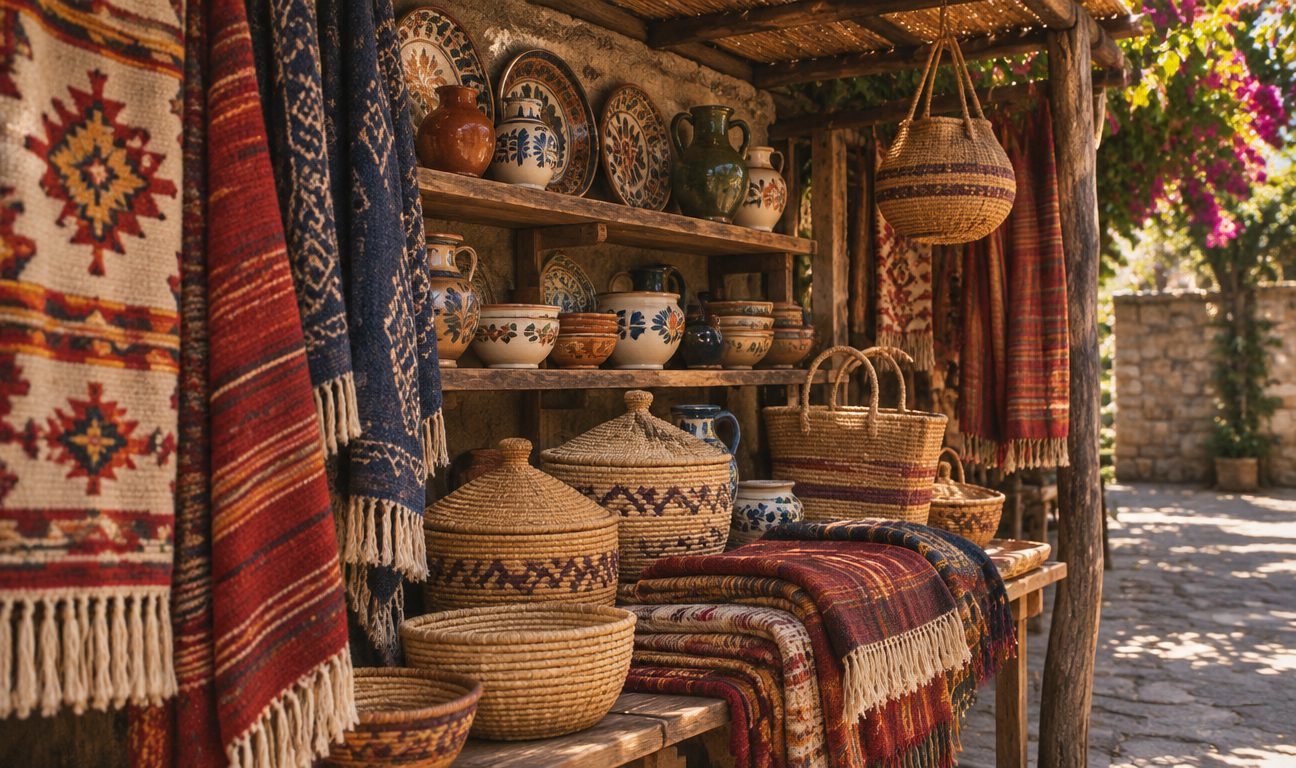
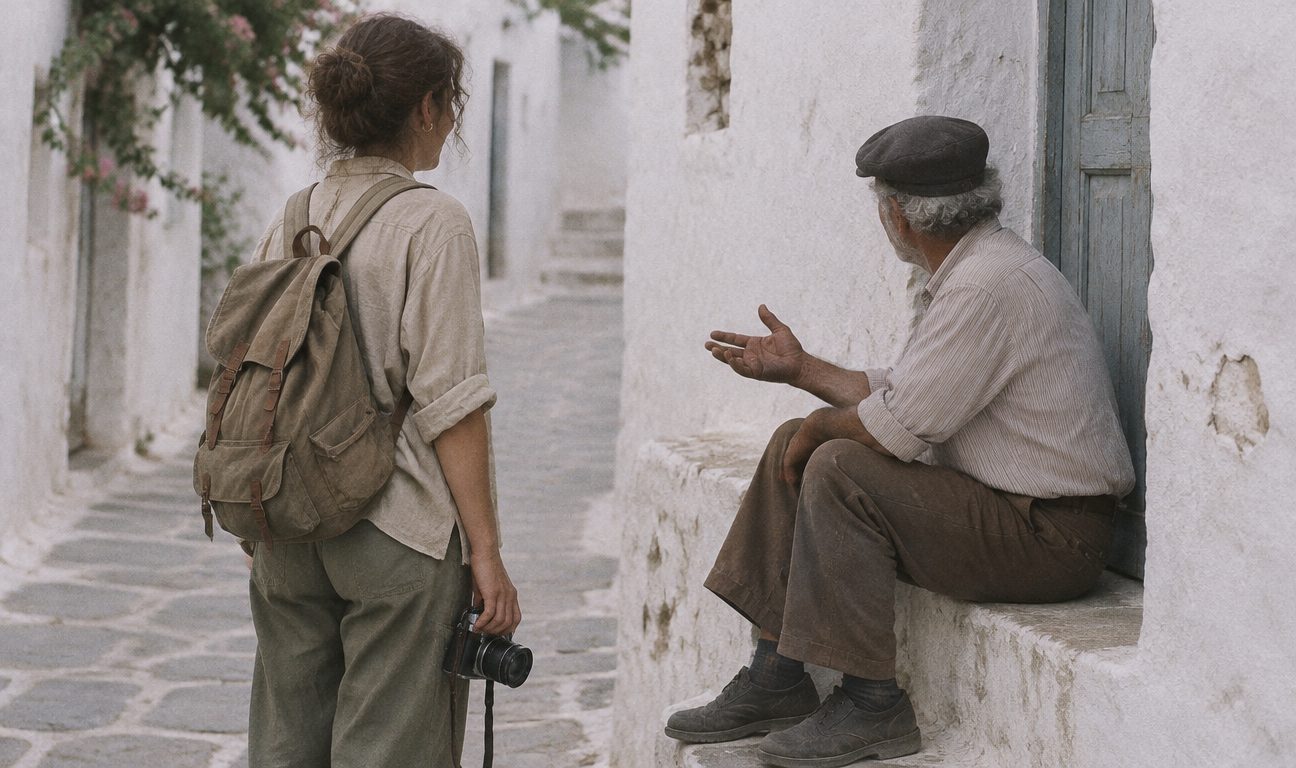
Venice, Dubrovnik or Hoi An's old town do not need more visitors in high season. Keep the highlight, then give real time to a quieter place nearby: Kanazawa alongside Kyoto, Nan after Chiang Mai, the hill towns of Basilicata instead of a third day on the Amalfi Coast. Hire a local guide for a morning, eat in family restaurants and buy crafts from the people who make them; our shopping guide explains how to spot the real thing.
Travel in shoulder season
The weeks either side of peak season are often the best time to go: prices drop, sites are calmer and people working in tourism earn outside the rush. Think May or late September in southern Europe, Japan outside cherry blossom and Golden Week, Morocco in spring or autumn. There are trade-offs: some mountain huts and island ferries close, and in the tropics shoulder months can bring afternoon storms. Check what is open before you commit.
Carbon: fly less, stay longer
On most long-haul trips, the flight outweighs almost everything you do on the ground. You do not have to stop flying, but the priorities are clear:
- Take one longer trip rather than several short ones.
- Use trains for overland legs: night trains in Europe, the Shinkansen in Japan, the coastal line in Vietnam.
- Fly direct where possible, and in economy.
- Stay longer in fewer places to cut internal transfers.
Offsets vary widely in quality and do not cancel a flight. Treat them as a contribution, not a licence. Our sustainable tourism guide covers the rest.
FAQ
Are ethical holidays more expensive?
Not always. Family guesthouses often cost less than chain hotels, and shoulder season lowers prices. Some things do cost more, like a fairly paid trekking crew, and that is exactly where the extra money matters.
How can I tell if an animal sanctuary is genuine?
Look at what visitors are allowed to do. If you can ride, bathe or hold the animals, or if babies are on show, it is not a sanctuary. Genuine ones keep contact minimal, explain where each animal came from and do not breed for tourism.
Is it better to donate than to volunteer abroad?
Usually, yes. A donation to a well-run local organisation pays local staff who stay for years. Volunteering helps when you have a professional skill they have requested and enough time to be useful.
Plan an ethical holiday with us
This is how we plan every trip: family-run stays, local guides paid fairly, no animal attractions, fewer stops and more time in each. Tell us where you would like to go and how you like to travel, and we will design a day-by-day itinerary around it. Start planning your trip with us.