Most of a trip's environmental footprint is settled before you pack: by how you get there, how often you go and how long you stay. The rest comes down to small decisions on the ground, from the bottle in your daypack to the elephant camp you choose to skip.
Transport: where most of your footprint comes from
On a holiday that involves a flight, the flight is usually the largest single source of emissions, often by a wide margin. So the two most useful questions come first: can you go by land, and can you go less often?
Train or plane?
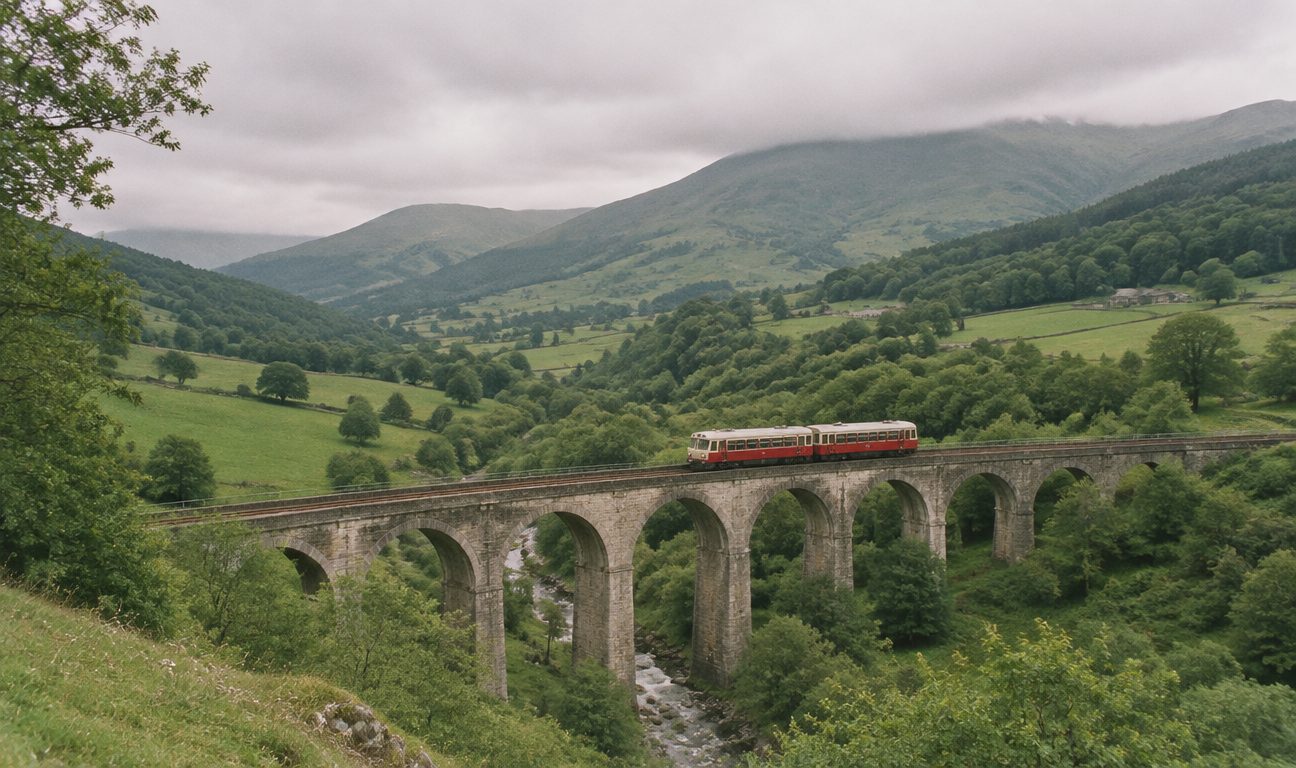
When the train takes a day or less, rail is almost always the lower-carbon option. London to Paris or Brussels by Eurostar, Paris to Barcelona, Milan to Rome: once you add airport transfers and security queues, the high-speed train is often as quick door to door. Night trains stretch that radius further. The Caledonian Sleeper runs from London to the Scottish Highlands, and the Nightjet network links Austria, Germany, Italy and their neighbours. You lose an evening, save a night of accommodation and wake up in the city centre.
Further afield, Japan's Shinkansen makes most domestic flights pointless, and the overnight train from Bangkok to Chiang Mai is a trip in itself.
When flying is the only realistic option, a few habits limit the damage:
- Fly direct. Take-off and landing burn a large share of a flight's fuel, so one direct leg generally beats two connections.
- Fly economy. A business-class seat takes more cabin space, so it carries a bigger share of the plane's emissions.
- Skip short domestic hops once you arrive. A bus, boat or train is slower, but you see the country rather than another terminal.
Fewer, longer trips
Three long weekends by plane can easily emit more than one three-week journey. If your leave allows it, group your holidays into a longer trip and travel overland once there: Vietnam to Cambodia by bus and boat, Peru to Bolivia around Lake Titicaca, the length of New Zealand by road and ferry. Staying longer also spreads your spending across more local businesses, one of the core ideas of sustainable tourism.
Packing light
Every kilo on board adds a little fuel burn, but the bigger gain is practical: with a single carry-on you can hop on trains, buses and ferries easily, which makes the low-carbon options easier to choose. Pack a refillable bottle, a cloth bag, a solid shampoo bar instead of miniatures, and a mineral sunscreen. Hawaii and Palau have both restricted sunscreens containing chemicals such as oxybenzone over concerns for coral reefs. A long-sleeved rash vest means you need less cream in the first place.
Plastic and drinking water
In countries where tap water is unsafe, bottled water quickly becomes the biggest source of plastic a traveller leaves behind. A filter bottle or a UV purifier solves most of it. Many guesthouses keep large refill dispensers for guests, even if they are not on display, so ask at check-in.
On small islands, recycling is often limited or absent, so take used batteries home and refuse straws and bags. If there is truly no safe alternative, buy the largest container available rather than a dozen small bottles.
Wildlife encounters done right
One rule covers most situations: if you can ride the animal, hug it, feed it or hold it for a selfie, the animal has probably paid for that experience. Elephant rides and shows, tiger temples, cub petting, captive dolphin swims, slow lorises or monkeys used as photo props: all of them depend on animals being captured, bred or trained for tourists, as World Animal Protection has documented.
A genuine elephant sanctuary lets you watch from a distance, offers no riding or performances, and can tell you where each animal came from. In the wild:
- keep your distance and let animals decide how close they come;
- never feed them, even once;
- choose operators who limit the number of boats or vehicles around each animal;
- turn off the flash, and avoid posting the exact location of rare species.
Our guide to ethical travel photography goes further on photographing animals and people without causing harm.
Leave no trace
The Leave No Trace Center for Outdoor Ethics sums up low-impact behaviour outdoors in seven principles: plan ahead, stay on durable surfaces, dispose of waste properly, leave what you find, minimise campfire impacts, respect wildlife and be considerate of other visitors. In practice: stay on marked trails, carry out everything you brought, fruit peel included, and leave stones, shells and coral where they are. Some of those can also cause trouble at customs, as our page on responsible souvenir shopping explains.
Choosing eco-minded accommodation
Many excellent small guesthouses hold no certification, because the audit costs more than they can afford. Questions tell you more than logos:
- Is the place locally owned, with managers from the area?
- Where do energy and water come from? In dry regions, a huge pool or a green lawn is a warning sign.
- Is the food sourced nearby, and what happens to waste?
- Can you reach it by public transport, or walk to the nearest village?
A card asking you to reuse your towel is a start, not a policy. When a property does display a certification, check whether the standard behind it is recognised by the Global Sustainable Tourism Council (GSTC).
FAQ
Is carbon offsetting enough to cancel out my flight?
No. Offset projects vary widely in quality, and some promised reductions never materialise. Reduce first; if you offset on top of that, favour projects certified by recognised schemes such as Gold Standard.
Is it ever acceptable to touch wild animals on holiday?
Rarely. Some rescue centres allow supervised contact as part of care work, but if touching is the main selling point, walk away. Watching animals behave naturally is the better experience anyway.
What is the single most effective change I can make?
Take fewer, longer trips and travel overland once you arrive. You take fewer flights, your money reaches more local hands and the holiday is usually better for it.
Let us plan a lighter trip with you
Our travel planners build each itinerary around the choices on this page: overland routes where they make sense, fewer internal flights, accommodation chosen with the questions above in mind and wildlife experiences that respect the animals. Tell us where you would like to go and how you like to travel, and we will suggest a route that suits both. You can start by telling us about your trip.