Sustainable tourism is travel that leaves a destination at least as well off as it found it: its nature, its people and its economy. The phrase now appears on almost every brochure, which makes real commitment harder to tell from marketing.
What sustainable tourism means
UN Tourism (the UN agency formerly known as UNWTO) defines sustainable tourism as tourism that takes full account of its current and future economic, social and environmental impacts, addressing the needs of visitors, the industry, the environment and host communities. Carbon is only one part of it.
In practice, the idea rests on three pillars.
The environmental pillar
Energy, water, waste, biodiversity and emissions, including the journey to get there. A beach resort that pumps groundwater for its golf course in a drought-prone region fails here, whatever its solar panels. Our guide to reducing your travel footprint covers the traveller's side in detail.
The social and cultural pillar
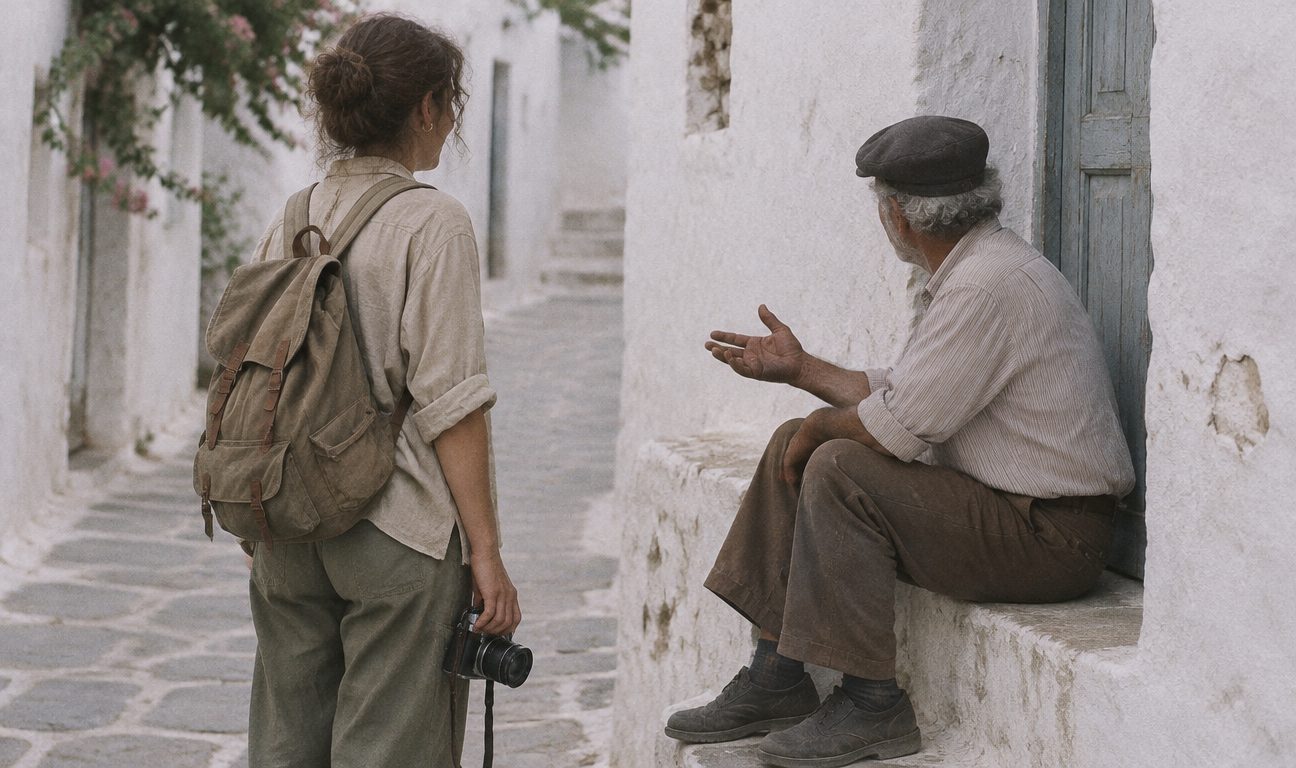
Respect for the people who live in the destination: their traditions, their sacred sites, their right to say no to visitors. It also covers working conditions, child protection and whether tourism pushes residents out of their own neighbourhoods.
The economic pillar
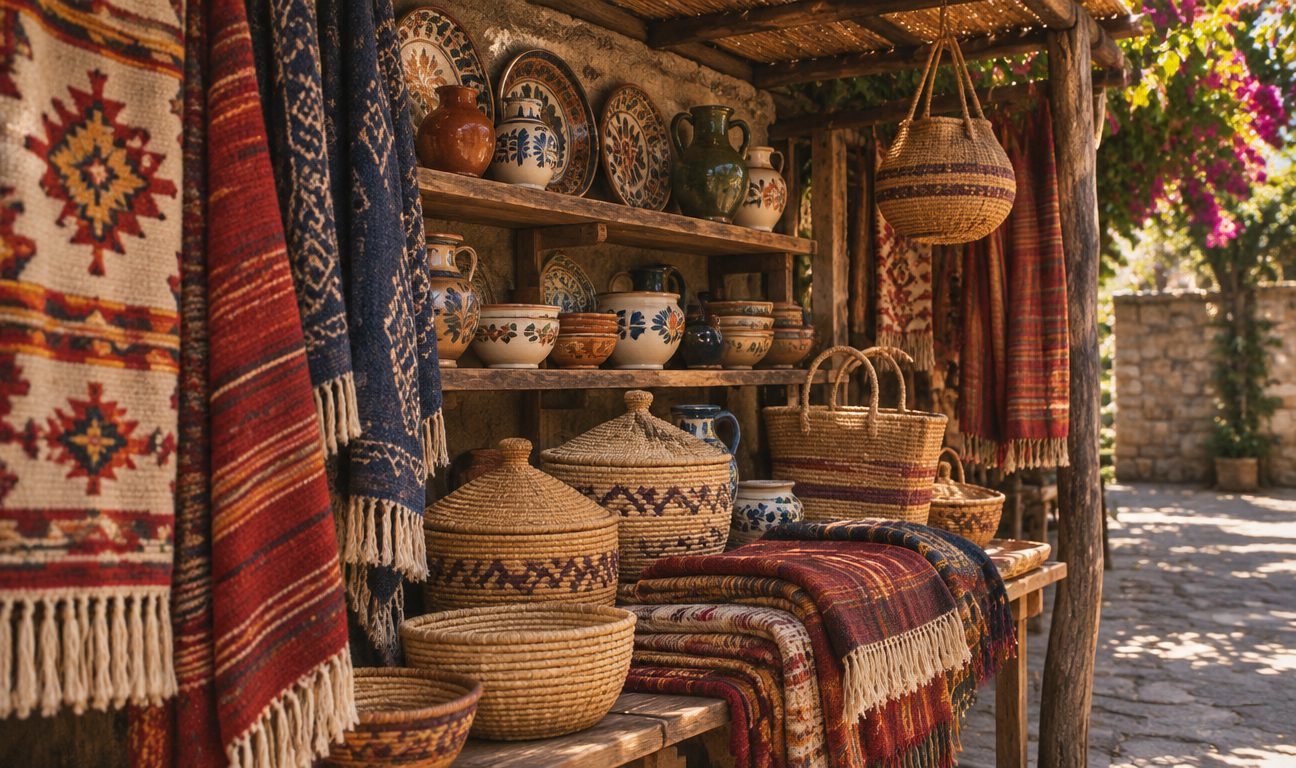
Who earns the money? A trip where most of the budget goes to foreign-owned chains, imported food and international airlines leaves little behind. Locally owned guesthouses, local guides, family restaurants and craft cooperatives keep spending in the area. Our page on supporting local communities goes further.
The Global Sustainable Tourism Council (GSTC), which sets the most widely used baseline criteria for the sector, adds a fourth section on sustainable management: does the business actually measure, plan and report, or does it only make promises?
Sustainable tourism, ecotourism, responsible travel: what's the difference?
These terms overlap, but they are not interchangeable.
- Sustainable tourism is the broad goal. It applies to any form of travel, including city breaks, business trips and beach holidays.
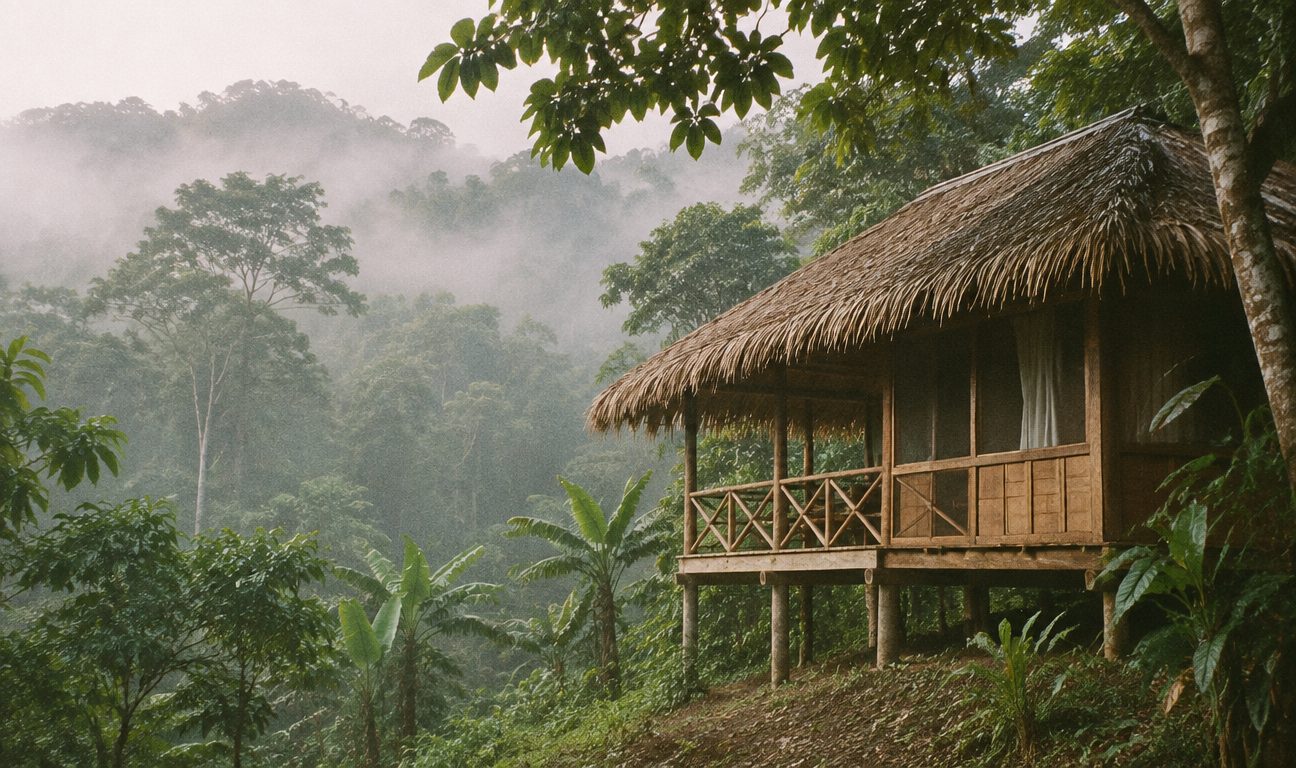
- Ecotourism is a narrower category. The International Ecotourism Society describes it as responsible travel to natural areas that conserves the environment, sustains the well-being of local people and involves interpretation and education. A city hotel cannot qualify, however green it is.
- Responsible travel describes how you behave as a traveller: the choices you make, the questions you ask, the respect you show. It is the personal side of sustainable tourism, and the subject of our guide to ethical holidays.
"Ecotourism" is not a protected term: a safari that crowds a dozen jeeps around one leopard can still call itself an eco-tour.
How to spot greenwashing
Greenwashing makes a product look more sustainable than it is. In travel, the signs are easy to learn:
- Vague words without detail. "Eco-friendly", "green", "conscious" or "natural", with no explanation of what is actually done.
- One small gesture as the headline. Banning plastic straws or offering towel reuse is fine, but it does not make a resort sustainable.
- Carbon neutral thanks to offsets. A company that calls a trip "climate neutral" because it buys offsets has not reduced its emissions.
- Home-made badges. A leaf logo designed by the company itself, with no independent auditor behind it.
- No figures, no reporting. Serious operators can tell you how much energy they use, how many staff are local, where the food comes from.
The law is catching up. In the European Union, Directive (EU) 2024/825 applies from 27 September 2026. It bans generic environmental claims that cannot be backed by recognised excellent performance, claims that a product is climate neutral based on offsetting, and sustainability labels that are not based on a certification scheme or set up by public authorities.
A test that works anywhere: ask a specific question, such as where the guides come from, and see whether the answer is specific too.
Certifications: which ones mean something?
Tourism eco-labels vary enormously in value. The GSTC offers a useful filter, but it works in two distinct ways:
- GSTC-Recognised standards are sets of criteria that the GSTC has judged equivalent to its own. Recognition concerns the standard, not how it is applied.
- GSTC-Accredited certification bodies are the organisations that carry out audits, checked by an independent accreditation process. The GSTC itself does not certify hotels or tour operators.
So "GSTC-Recognised" on a hotel website tells you the standard is credible, but the strongest guarantee comes from certification by an accredited body. The GSTC publishes both lists on its website: check there rather than trusting a logo. Green Key and Travelife are among the better-known labels you will come across.
Keep certification in perspective. Audits cost money and paperwork, so many small family-run places, often the most locally rooted ones, have no label at all. A certified chain hotel is not automatically a better choice than an uncertified guesthouse whose owners employ their neighbours.
Slow travel: fewer places, more depth
Slow travel means spending longer in fewer places and moving between them overland. Instead of eight cities in ten days, you choose three regions in two weeks. The benefits are concrete: fewer flights and transfers, more money spent in each local economy, less fatigue and a better chance of real encounters. The journey becomes part of the trip too, whether it is the train from Colombo into Sri Lanka's hill country or a ferry along the Croatian coast.
Travelling off-season
Some destinations struggle with too many visitors at the same moment. Venice now charges day-trippers an access fee on peak days, and Machu Picchu limits daily entries. Visiting outside the peak spreads income across the year and eases pressure on housing, water and heritage sites.
The shoulder seasons are often the sweet spot: May or late September in Mediterranean Europe, autumn in Japan rather than cherry blossom week, the green season in Costa Rica when rain falls mostly in the afternoon. Prices are usually lower and locals have more time for you. There are trade-offs (some lodges close, some trails turn to mud), so plan around them.
How a tailor-made itinerary can be designed sustainably
In a tailor-made trip, every choice can be questioned. When we design an itinerary, the route comes first: a logical line that avoids backtracking, uses trains, buses or boats between regions, and keeps internal flights to a minimum. Arriving in one city and leaving from another often makes this possible.
Then come fewer bases, longer stays, locally owned accommodation and guides from the region. We like to include at least one experience run by a community, such as a cooperative, a homestay or a village walk, and to balance famous sites with lesser-known areas that welcome the income. Shifting a trip by a few weeks can also make it calmer for you and lighter for the places you visit.
FAQ
Is sustainable travel more expensive?
Not necessarily. Locally owned guesthouses, public transport and family restaurants often cost less than international chains. Some certified eco-lodges are pricey, but sustainability does not depend on luxury.
Is ecotourism always sustainable?
No. Ecotourism describes travel to natural areas with a conservation and education purpose, but the word is unregulated. Check how many visitors are allowed, who owns the operation and how wildlife is treated.
Does one traveller really make a difference?
Your choices decide where your money goes, and operators adapt to what travellers ask for. Specific questions before booking reward the businesses doing things properly.
Plan a sustainable trip with our travel planners
If you would like a trip built on these principles, our small team of travel planners can design it with you. We start from your interests, dates and budget, then work on the route, the season and the places to stay. Tell us what you have in mind on our trip planning page.