Supporting local communities when you travel is mostly a question of where your money goes and how you behave while you spend it. A meal in a family restaurant, a guide from the village you're walking through, a room in a locally owned guesthouse: these choices decide whether tourism pays the people who live with it every day.
Spend your money locally
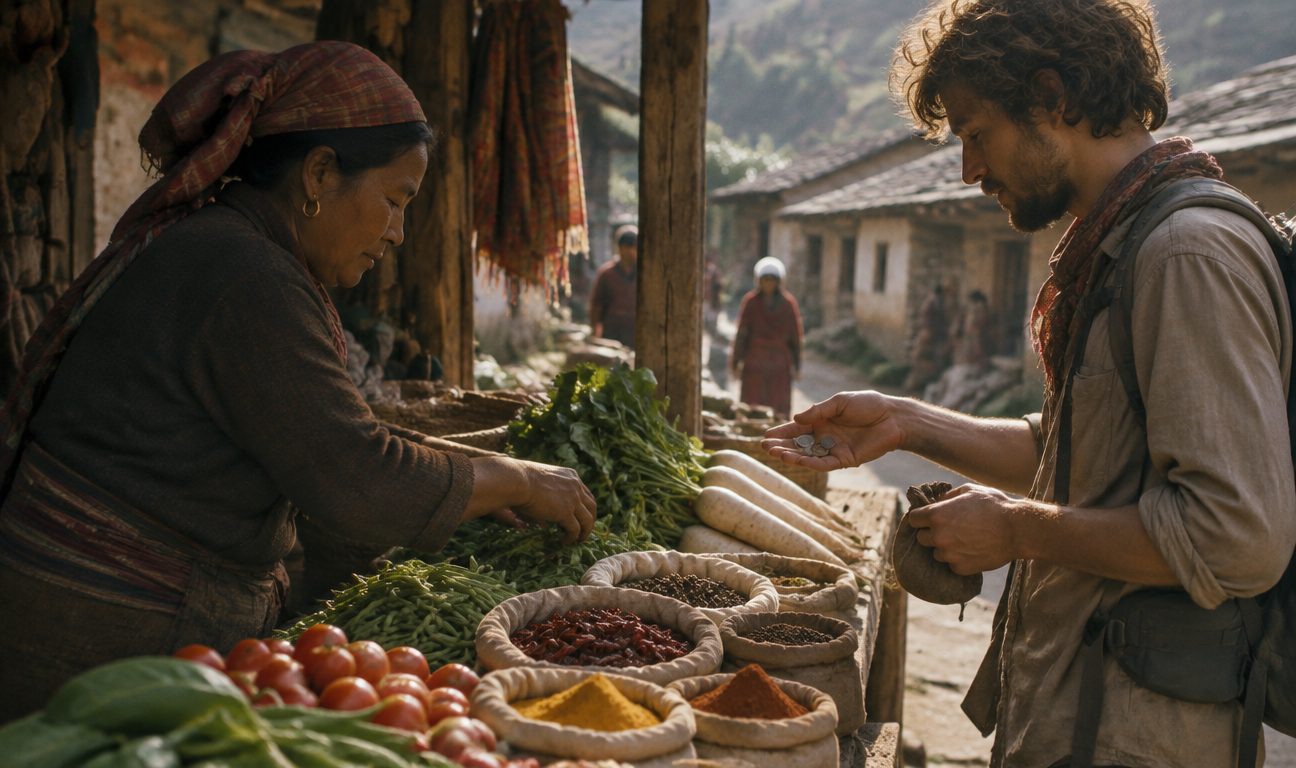
Money spent in a large international resort or on a cruise ship often leaves the destination quickly, through foreign ownership, imported food and staff brought in from elsewhere. Money spent with small local businesses tends to stay and circulate. You don't need to give up comfort to shift the balance.
- Eat where locals eat. Street food in Penang or a family-run trattoria in Puglia puts money straight into the cook's pocket.
- Buy from the maker. At a cooperative or directly from the artisan, more of the price goes to the person who made the piece. Our shopping guide explains how to spot the real thing.
- Hire local drivers and use local transport where it's safe and practical.
- Pay a fair price. Bargaining is fine where it's the custom, but the few coins you save rarely matter to you as much as to the seller.
Choose local guides and family-run stays
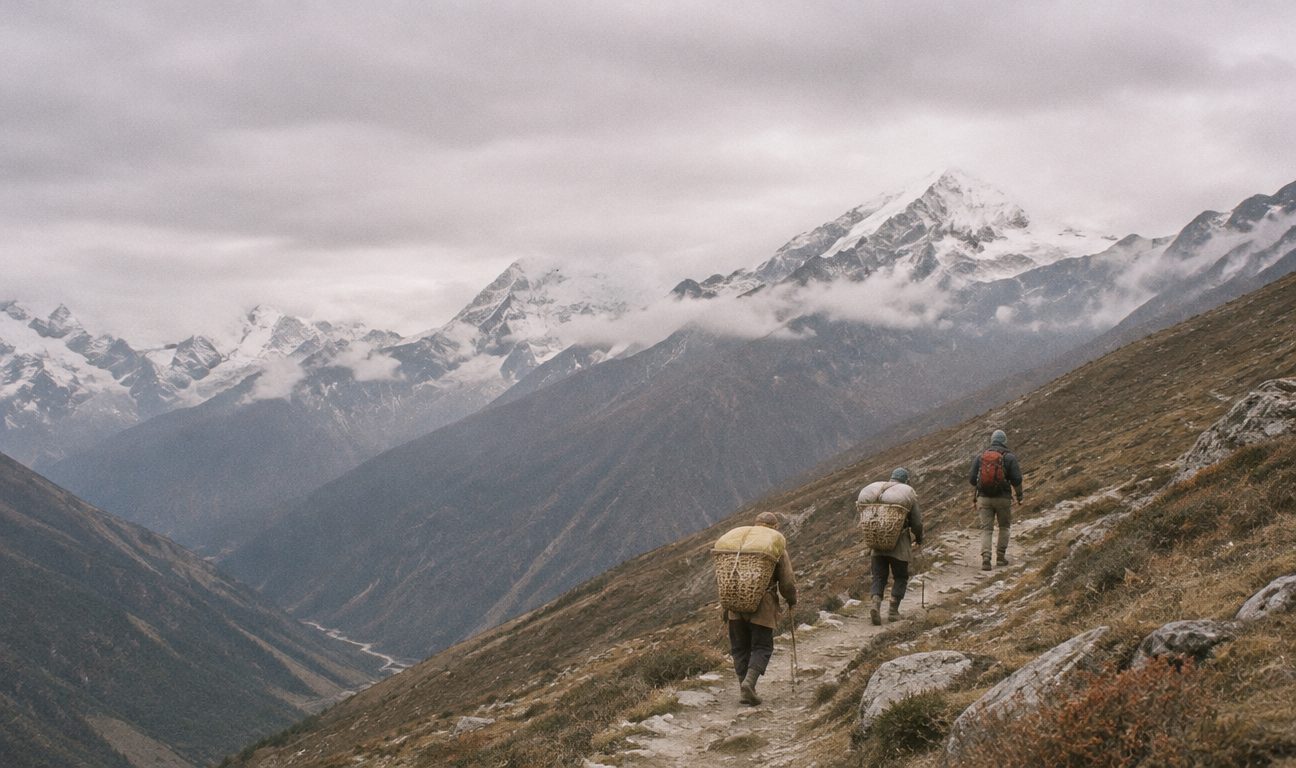
A local guide is the simplest upgrade to almost any trip. Someone who grew up in the Atlas Mountains or in Peru's Sacred Valley knows which village is celebrating a wedding this week and which path the rains have washed out. In some places, hiring one isn't optional: Machu Picchu has to be visited with a licensed guide, and most international visitors to Bhutan must travel with a licensed guide booked through an approved operator.
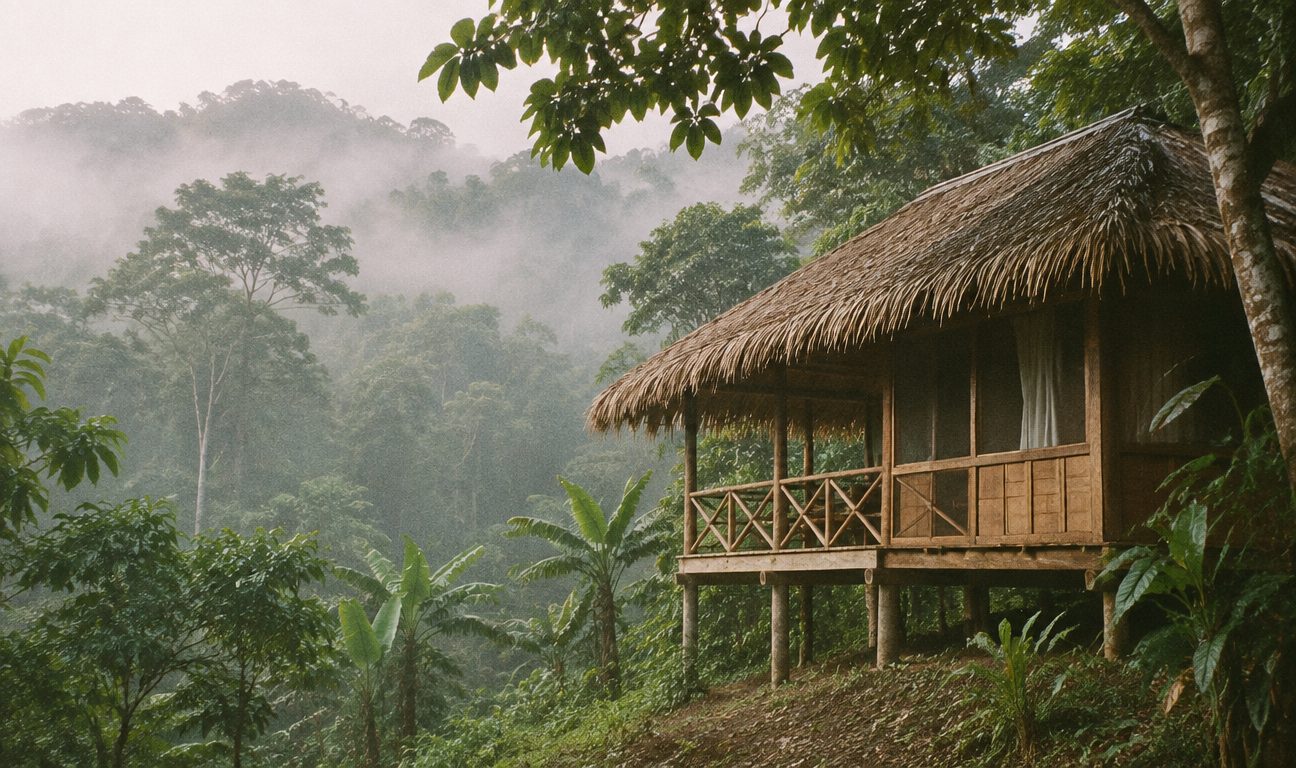
Family-run guesthouses, homestays and small lodges work the same way. In Vietnam's northern mountains, in rural Morocco or in Sri Lanka's hill country, a homestay often means dinner with the family and a direct look at daily life. Check that the place is genuinely run by the household and not a staged experience owned by an outside company. Asking who owns the guesthouse and who your guide works for is a perfectly normal question.
Avoid orphanage tourism
Visiting or volunteering in orphanages is one of the most harmful things a well-meaning traveller can do. Child-protection organisations, UNICEF among them, have long warned that many children in residential care have at least one living parent, and that tourist money creates a market for "orphans": some institutions recruit children from poor families precisely because visitors pay to see them. Short-term volunteers add to the harm, since young children who bond with a string of adults who then leave are hurt by it.
The rule is simple: don't visit, don't volunteer, and don't donate to an orphanage you were taken to on a tour. Children are not tourist attractions. If you want to help, support organisations that keep families together, and read our page on ethical holidays before signing up for any volunteering.
Respect local laws
Being a visitor doesn't exempt you from local law, and ignorance is rarely accepted as an excuse. Some rules surprise travellers: chewing gum can't be sold in Singapore, sitting on the Spanish Steps in Rome can earn you a fine, and many countries forbid photographing military sites, airports or government buildings. Before you go, read your government's travel advice for the destination, which lists the laws most likely to catch visitors out.
Drugs and medicines abroad
Drug laws are where the stakes are highest. Singapore, Indonesia and several countries in the Middle East punish possession with heavy prison sentences and trafficking with the death penalty. Cannabis being legal in one country means nothing across the border, and carrying it from one to the other can be treated as trafficking. Prescription medicines need care too: Japan bans some common cold remedies containing stimulants, and the UAE restricts certain painkillers and sleeping pills. Keep medicines in their original packaging with a copy of the prescription, and check the embassy's guidance before you fly.
Alcohol
Alcohol is banned or tightly restricted in several countries and regions, from Kuwait to the Indian state of Gujarat. In the Maldives it's served only in licensed resorts and hotels, never on the inhabited local islands. Where it's legal, public drunkenness can still cause deep offence, especially in Muslim-majority countries and during Ramadan, when eating and drinking in public during daylight is best avoided altogether.
Overtourism: pick the right time and place
When too many visitors arrive at once, residents pay first: rents rise, neighbourhoods empty out and streets become unusable. Destinations have started to respond. Venice charges day-trippers an access fee on peak days, and Kyoto has closed some private lanes in the Gion district to tourists. You can ease the pressure yourself.
- Travel in shoulder season, or visit famous sites early and late in the day.
- Stay overnight rather than day-tripping, so your spending stays in the place you visit.
- Look beyond the famous names. A region two hours from the crowds often has as much to offer and needs your money more.
Our sustainable tourism guide goes further on travelling with a lighter footprint.
FAQ
Is it OK to visit an orphanage if I bring donations?
No. Visits and donations made on the spot keep the orphanage business running. Support organisations that help families stay together instead.
How can I tell if a guide is genuinely local?
Ask where they're from, whether they're licensed and who employs them. A good operator answers without hesitation.
Can I bring prescription medicine abroad?
Usually, but the rules vary by country. Check the destination's embassy website, keep medicines in their original packaging and carry a copy of your prescription.
Plan a trip that benefits the people you visit
We're a small team of travel planners, and we build each itinerary around local guides, family-run stays and small businesses wherever we can. If you'd like a trip that's good for you and for the places you visit, tell us about your plans and we'll put it together with you.