Ethical travel photography starts from a simple idea: the person in front of your lens is not part of the scenery. A travel photo can be honest, beautiful and respectful at once, but getting there means asking first, sometimes paying, sometimes putting the camera away, and thinking about what happens once the picture is online.
Ask before you photograph people
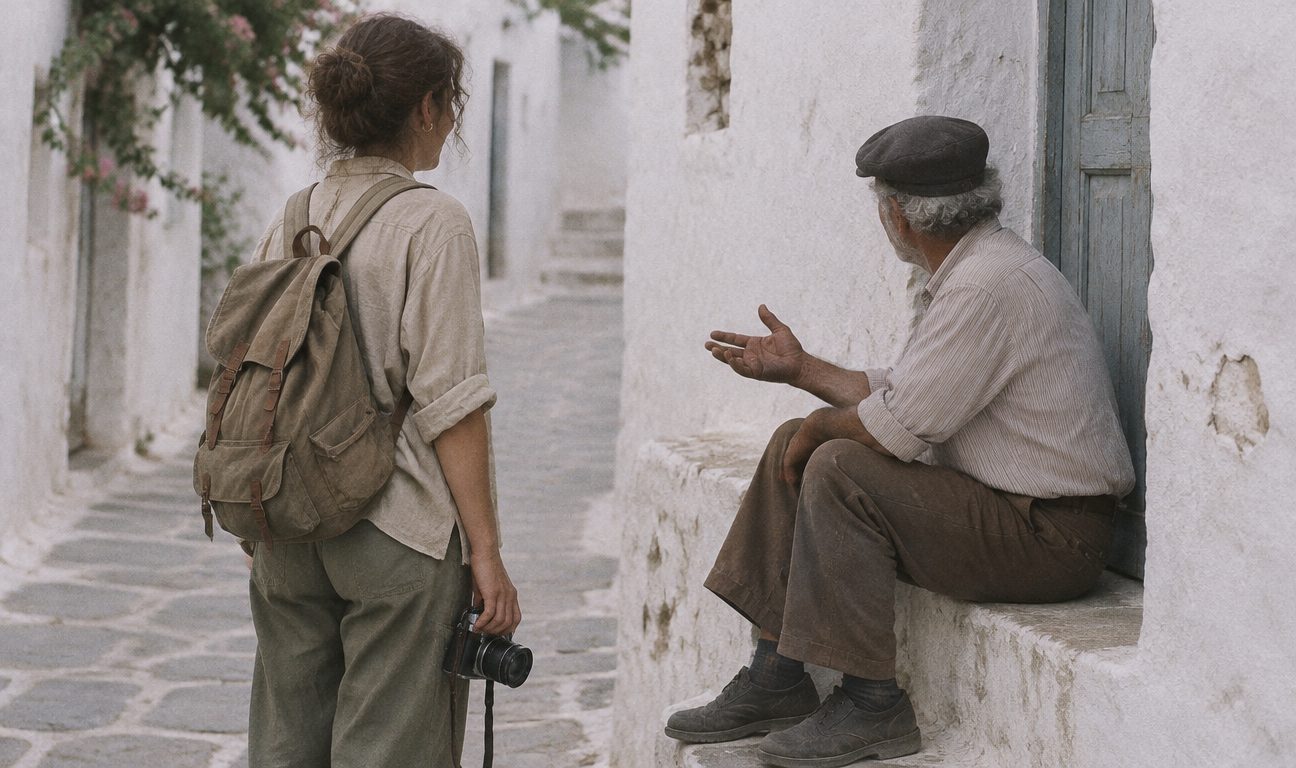
Consent rarely needs many words. Raise the camera slightly, point to it, smile and wait. A nod means yes. A raised hand, a turned head or a frown means no, and you lower the camera without arguing. Learning to say "may I take a photo?" in the local language makes the exchange warmer.
Some situations call for extra care:
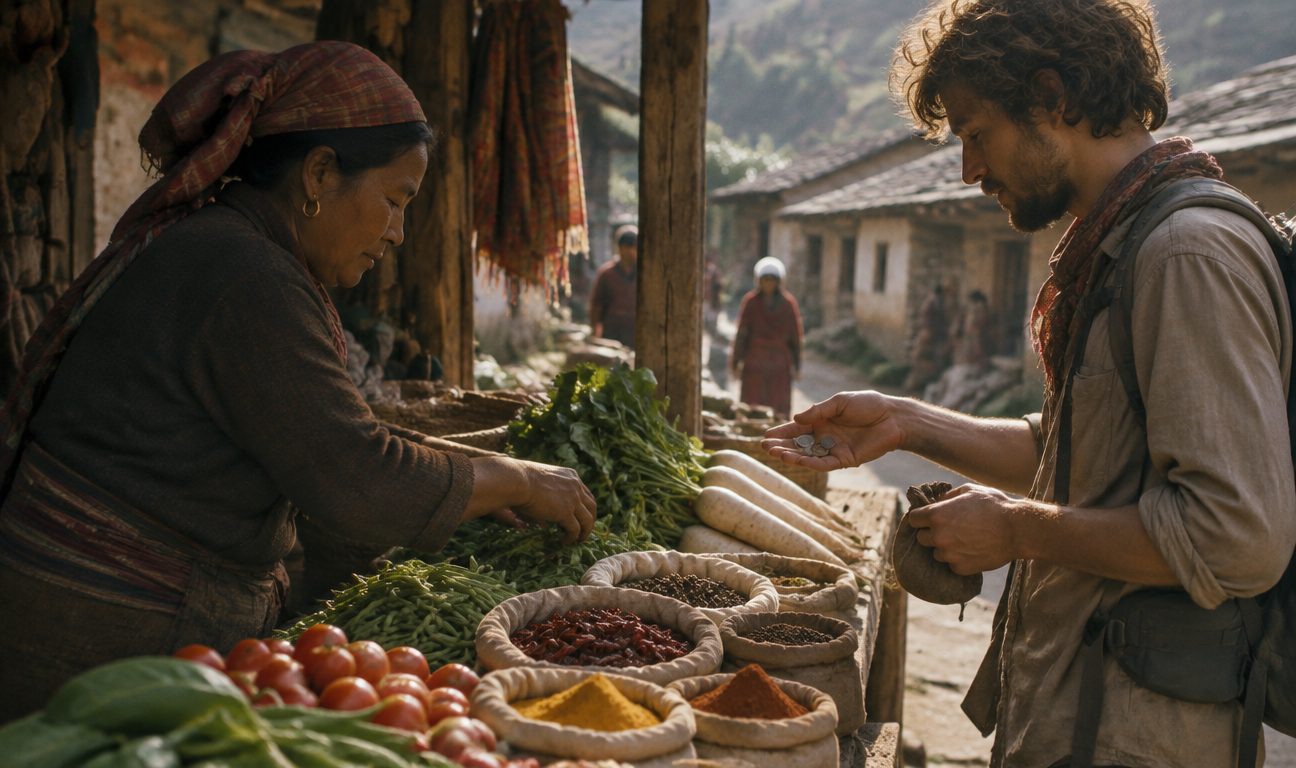
- People at work. A fisherman in Essaouira or a trader in an Oaxaca market isn't there to pose. Buy something, chat first, then ask.
- Moments of vulnerability. Someone sleeping rough, a patient, a person in distress or a funeral procession should not end up in your holiday album.
- Women in conservative communities. In parts of the Middle East, North Africa and South Asia, photographing a woman can offend her family or cause her real trouble. Ask, and accept a refusal.
The law matters too. Some countries, France among them, give people strong rights over images of themselves, especially once they're published.
Photographing children
Ask a parent or guardian, not the child: a grin is not consent. Never photograph children who are naked or half-dressed, on a beach or at a river, wherever you are. Skip school visits arranged for tourists, which interrupt lessons and turn classrooms into a show. And apply a simple test before posting: a photo you wouldn't share of a child from your own street shouldn't go online because the child lives in Cambodia or Kenya.
Should you pay for photos?
In some places, posing is a source of income. Sadhus in Varanasi and Kathmandu, Himba women in northern Namibia and communities in Ethiopia's Omo Valley often ask for payment, and that's a fair request: you're taking something of value. Agree the amount before you shoot, pay what you agreed and show people the result on your screen.
Paying has its limits, though. Where photography has become a pure transaction, visitors often leave with staged poses rather than a glimpse of real life. Spending time, hiring a local guide who can introduce you, or buying from someone's stall usually leads to better encounters and better pictures than a quick paid portrait.
Drones: check the rules before you pack
Drone rules vary enormously between countries and change often. In the European Union, most camera drones require the operator to register with a national aviation authority. Some countries restrict drone imports or require permits, and Morocco, for example, can confiscate drones at customs without prior authorisation. The United States bans launching drones in its national parks, and many heritage and religious sites forbid them outright.
Before you travel, check the website of the national aviation authority for your destination, then the rules of each site on your route. Even where flying is legal, think about everyone else: a drone buzzing over a quiet beach, a village or a herd of animals spoils the moment and can disturb wildlife. Never fly over people, homes or ceremonies without permission.
Sacred places and ceremonies
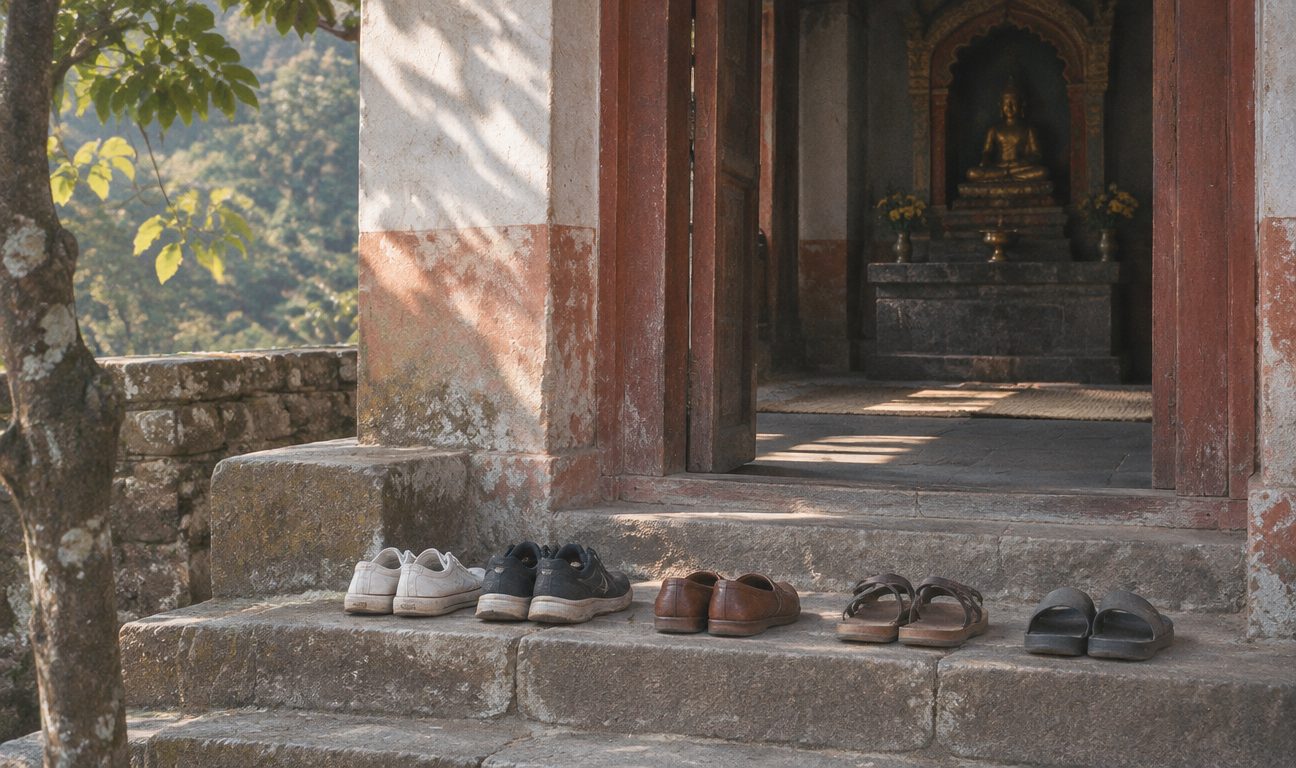
Many places of worship ban photography inside, from the Sistine Chapel to a number of Hindu temples in southern India. Where it's allowed, turn off the flash, stay out of worshippers' way and avoid poses that offend: sitting on a Buddha statue, or turning your back to one for a selfie, is disrespectful in Buddhist countries.
Some restrictions are harder to guess. At Uluru in Australia, the Anangu traditional owners ask visitors not to photograph certain sacred sections of the rock, and signs mark them. At the cremation ghats of Varanasi, photographing funerals is deeply resented. If you're invited to a wedding or a festival, ask your host what's acceptable before raising the camera. Our page on respecting local cultures covers etiquette at religious sites in more detail.
Sharing on social media
Taking a photo and publishing it are two separate decisions. Before posting a recognisable portrait, ask yourself whether the person would be comfortable seeing it, captioned the way you've captioned it. Avoid captions that turn people into props or poverty into a backdrop. If someone gave you their number so you could send them the picture, send it.
Geotagging fragile places
A precise geotag on a hidden waterfall or a wildflower meadow can bring crowds to a place with no trails, toilets or parking. Hanging Lake in Colorado now requires a permit to manage visitor numbers, and the US organisation Leave No Trace encourages photographers to think before tagging specific locations.
- Tag the region rather than the exact spot.
- Don't geotag nesting sites, rare plants or wildlife.
- Stay on the path to get the shot.
Our environment guide has more on keeping your footprint light.
FAQ
Is it rude to photograph strangers when travelling?
Not if you ask first and accept a no. What causes offence is the photo taken without asking, often with a long lens from a distance.
Should I pay people to take their photo?
Where it's the local custom, yes, and agree the amount beforehand. Elsewhere, buying something or sending the photo afterwards is a fair way to say thank you.
Can I fly a drone abroad?
Often, but not everywhere. Check the destination's national aviation authority before packing it: some countries require registration or permits, and others confiscate drones at customs.
Let us plan a trip with better encounters
We're a small team of travel planners. For travellers who love photography, we look for local guides who can make introductions, and we can point you to the photo and drone rules of the places on your route. Tell us about your trip and we'll shape it around what you want to see.