Respecting local cultures when you travel comes down to a few habits: dressing for the place rather than the temperature, greeting people the way they greet each other, paying a fair price and knowing how to behave in a temple. None of it needs a degree in anthropology. It does need some reading before you leave, and a lot of watching what locals do once you arrive.
Dress for the place, not the weather
The beach is not the town. Across North Africa, the Middle East and much of South and Southeast Asia, swimwear and bare chests belong on the sand. Walking through the medina in Fez in a vest and short shorts won't get you arrested, but it tells everyone you haven't given them a thought.
- Cover shoulders and knees at religious sites. St Peter's Basilica in Rome and the Grand Palace in Bangkok both turn away visitors who don't.
- Pack a scarf or a sarong. It covers your hair in a mosque or your legs at a temple in Bali, where a sarong is expected.
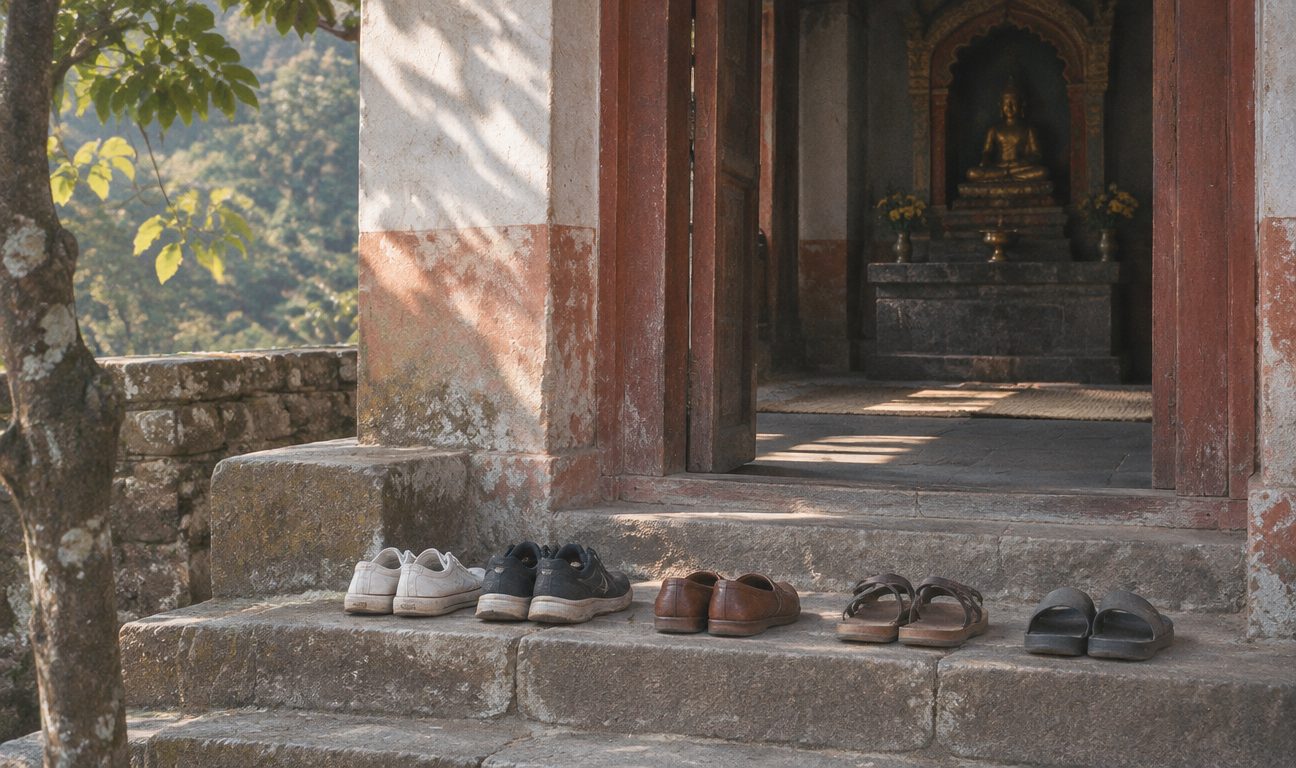
- Mind your shoes. They come off in mosques, most Asian temples and Japanese homes.
Greetings and body language
Greetings vary more than most people expect. In Thailand, the wai (palms together, a slight bow) is the respectful greeting between adults, and namaste does the same job in India and Nepal. In Japan a bow replaces the handshake, and business cards, gifts and money are passed with both hands. In Senegal, asking after someone's health and family before getting to the point is basic politeness, and skipping it comes across as cold. In many Muslim-majority countries, men should wait for a woman to offer her hand; a hand on the heart is a polite alternative.
In India, the Middle East and much of Africa, the left hand is traditionally reserved for hygiene, so eat, give and receive with your right. In Thailand, Laos and Cambodia the head is the most respected part of the body and the feet the lowest: don't pat anyone on the head, children included, and don't point your feet at people or at a Buddha image.
Bargaining fairly
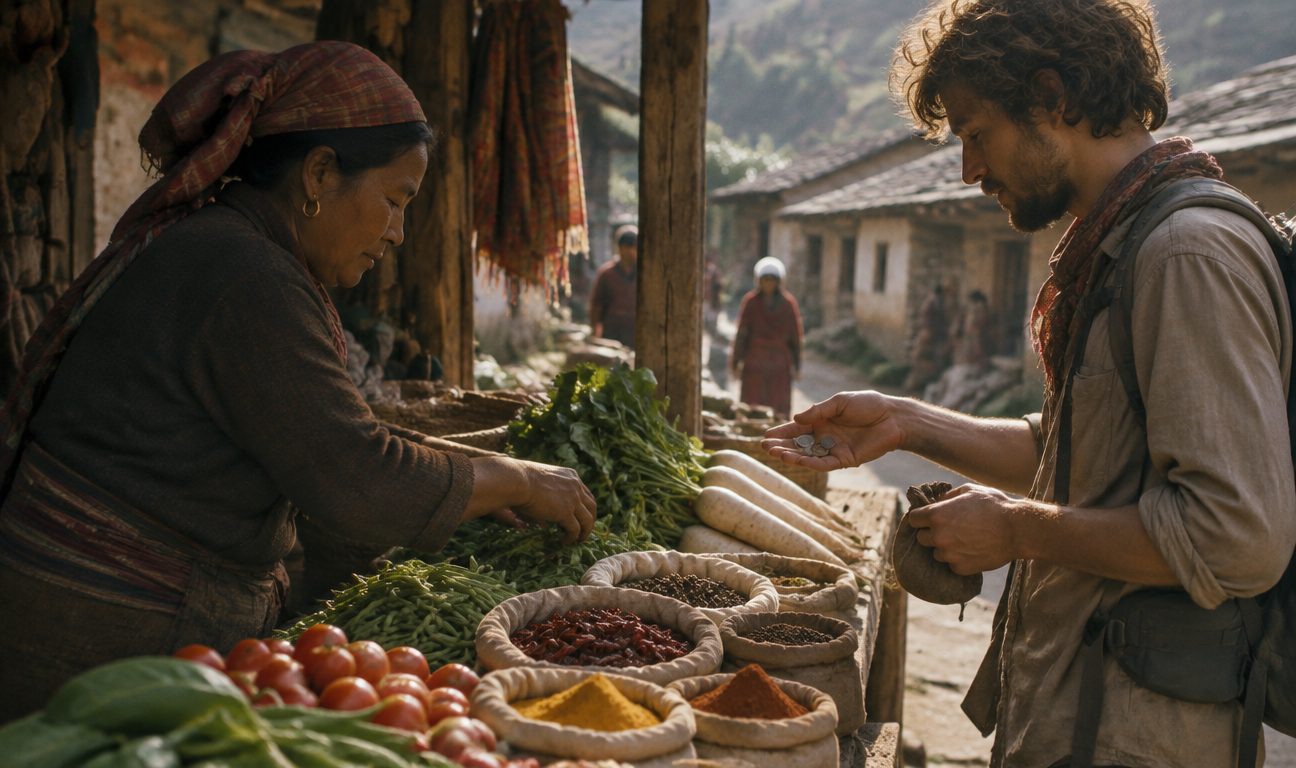
Haggling is expected in the souks of Marrakech or the markets of Hanoi. It isn't in Japan, in supermarkets or anywhere with printed price tags. Where it's the norm, treat it as a conversation rather than a contest.
- Ask at a few stalls first to get a feel for real prices.
- Only name a price you're ready to pay. Walking away once the seller accepts is bad form.
- Stop before it gets petty. The last small coin usually matters far more to the seller than to you.
- Agree taxi and tuk-tuk fares before you get in, unless there's a working meter.
Our guide to buying souvenirs responsibly explains how to tell real local crafts from imported stock.
How to respond to begging
With children, the advice is clear. Child-protection groups such as the ChildSafe Movement in Southeast Asia ask travellers not to give money, sweets or gifts to children who beg or sell on the street: it keeps them out of school and makes them more profitable for the adults who send them out. A donation to a local organisation working with street children does more good, and our page on supporting local communities explains how to find one.
With adults, it depends. In many Muslim and Hindu societies, giving alms is a religious duty and locals hand over small change routinely, so following their lead is reasonable. Whatever you decide, a polite refusal with eye contact is kinder than pretending someone isn't there.
Learn a few words of the language
Hello, please, thank you and sorry will carry you a long way. Try "khop khun kha" or "khop khun khrap" (thank you, said by a woman or a man) in Thailand, "terima kasih" in Indonesia, "asante" in East Africa and "shukran" across the Arab world. Your pronunciation will be off and nobody will mind. If you plan to bargain, learn the numbers too.
Visiting religious sites
- Ask before photographing worshippers and check the signs, as many temples ban photos inside. Our ethical travel photography guide goes further.
- In Thailand, Laos, Cambodia and Myanmar, women shouldn't touch monks or hand them things directly.
- Some sites are closed to non-believers: the Jagannath Temple in Puri admits only Hindus.
- In Luang Prabang, the dawn alms round is a religious ceremony. Take part quietly and modestly dressed, or watch from a distance without flash.
Tipping norms differ by country
- United States and Canada: servers rely on tips, and 15 to 20 percent in sit-down restaurants is the usual range.
- Japan: tipping isn't customary and can cause awkwardness. Good service is simply part of the job.
- France and much of continental Europe: service is included in restaurant prices. Rounding up for good service is appreciated, not expected.
- Egypt, Morocco and Jordan: small tips are expected for many services, so carry low-value notes.
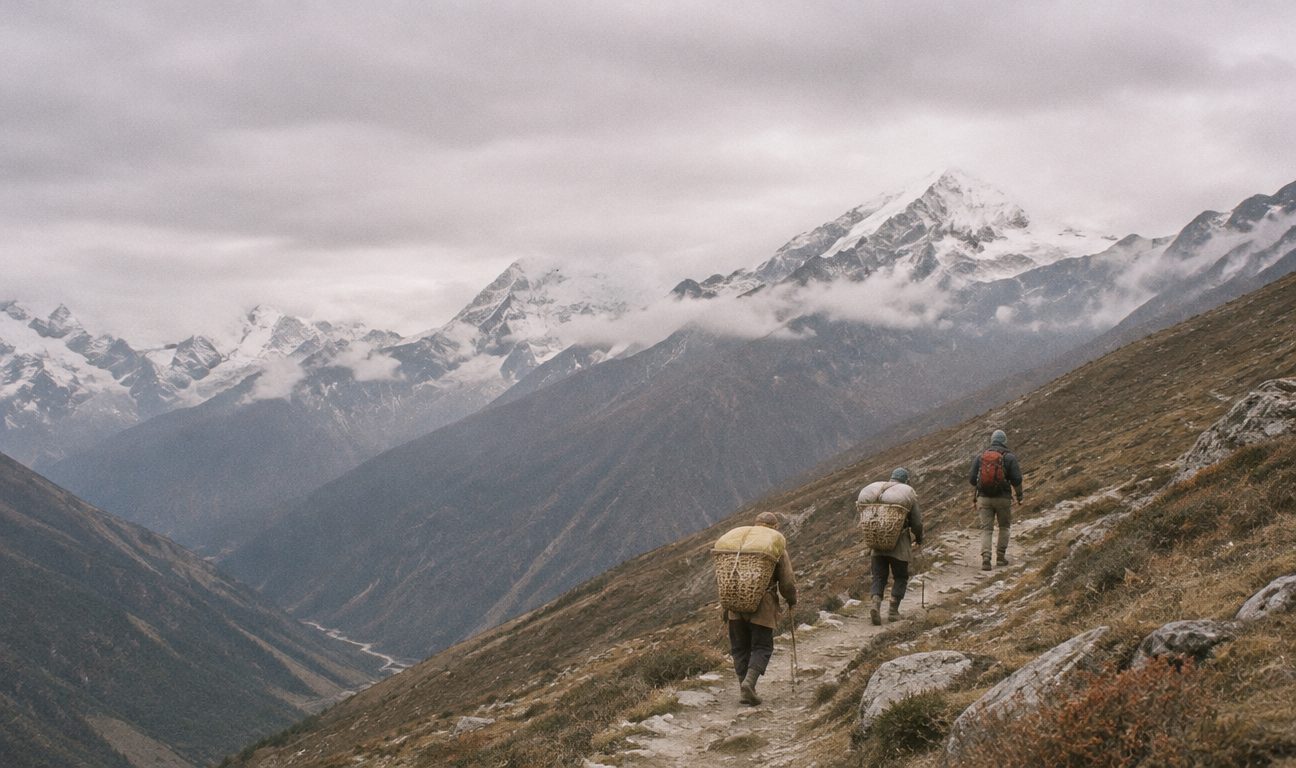
- Safaris and treks: in East Africa or Nepal, tipping guides, drivers and porters is customary. Ask your operator what's usual.
FAQ
Is it rude not to bargain in a market?
Not at all. Paying the asking price is your choice and the seller won't be offended. Just avoid haggling hard over amounts that are trivial for you.
Should I give money to children who beg?
No. Child-protection organisations advise against it because it keeps children on the street. Give to a local organisation that supports them instead.
Do women need to cover their hair in mosques?
Usually, yes, and everyone should cover arms and legs. Large mosques that welcome visitors, such as the Blue Mosque in Istanbul, often lend scarves at the entrance.
Let our planners brief you on local customs
We're a small team of travel planners, and explaining local customs is part of how we plan: what to wear, how to greet people, who to tip. If you'd like a trip built around your interests, with local guides and family-run stays wherever we can, tell us about your trip and we'll plan it with you.